Neurotransmitter Precursors
Certain amino acids found in everyday foods serve as building blocks for neurotransmitters that are associated with sleep regulation.
Understanding how the foods you choose throughout the day may influence the quality of your rest at night.
Learn MoreSleep is one of the most important aspects of daily well-being. Emerging research continues to explore how specific nutrients and eating patterns may contribute to the body's natural sleep processes.
Quorvexxiosmyxex provides general lifestyle information focused on the relationship between nutrition and sleep quality. Our content draws from publicly available research and is intended for informational purposes only. We operate from New Zealand.
We believe that small, consistent adjustments to daily nutrition habits may support the conditions your body needs for more restful nights.

Research suggests several pathways through which dietary choices may influence sleep architecture and duration.
Certain amino acids found in everyday foods serve as building blocks for neurotransmitters that are associated with sleep regulation.
Meal timing and composition may interact with the body's internal clock, potentially influencing when you feel alert or drowsy.
Vitamins and minerals participate in enzymatic processes that are part of the body's natural preparation for rest.
Balanced meals may support steady blood glucose levels throughout the night, which is associated with fewer sleep disruptions.
The gut microbiome is an active area of research, with studies exploring its potential relationship to sleep patterns and quality.
Dietary patterns that include anti-inflammatory compounds are being studied for their potential association with sleep quality.
These nutrients are frequently mentioned in sleep-related nutrition research. Individual responses may vary.
Found in leafy greens, nuts, and seeds. Magnesium is involved in hundreds of biochemical reactions, including those related to nervous system regulation.
An essential amino acid present in turkey, eggs, and dairy. It serves as a precursor to serotonin and melatonin production pathways.
Obtained through sunlight and foods like fatty fish. Some research explores potential associations between vitamin D levels and sleep quality.
Found in whole grains, legumes, and animal products. B vitamins play roles in energy metabolism and neurotransmitter synthesis.
Present in shellfish, meat, and pumpkin seeds. Zinc participates in processes that researchers are studying in the context of sleep.
Found in fatty fish, walnuts, and flaxseed. Omega-3s are being explored for potential associations with sleep duration and quality.
Common foods that contain nutrients frequently discussed in sleep research.
Contain naturally occurring melatonin and are among the foods commonly discussed in sleep nutrition research.
Rich in vitamin D and omega-3 fatty acids, both of which are subjects of ongoing sleep research.
Almonds, walnuts, and pumpkin seeds provide magnesium, zinc, and healthy fats in a convenient form.
Oats and brown rice contain B vitamins and may contribute to steady energy release throughout the day.
Chamomile and passionflower teas have a long history of traditional use as part of evening routines.
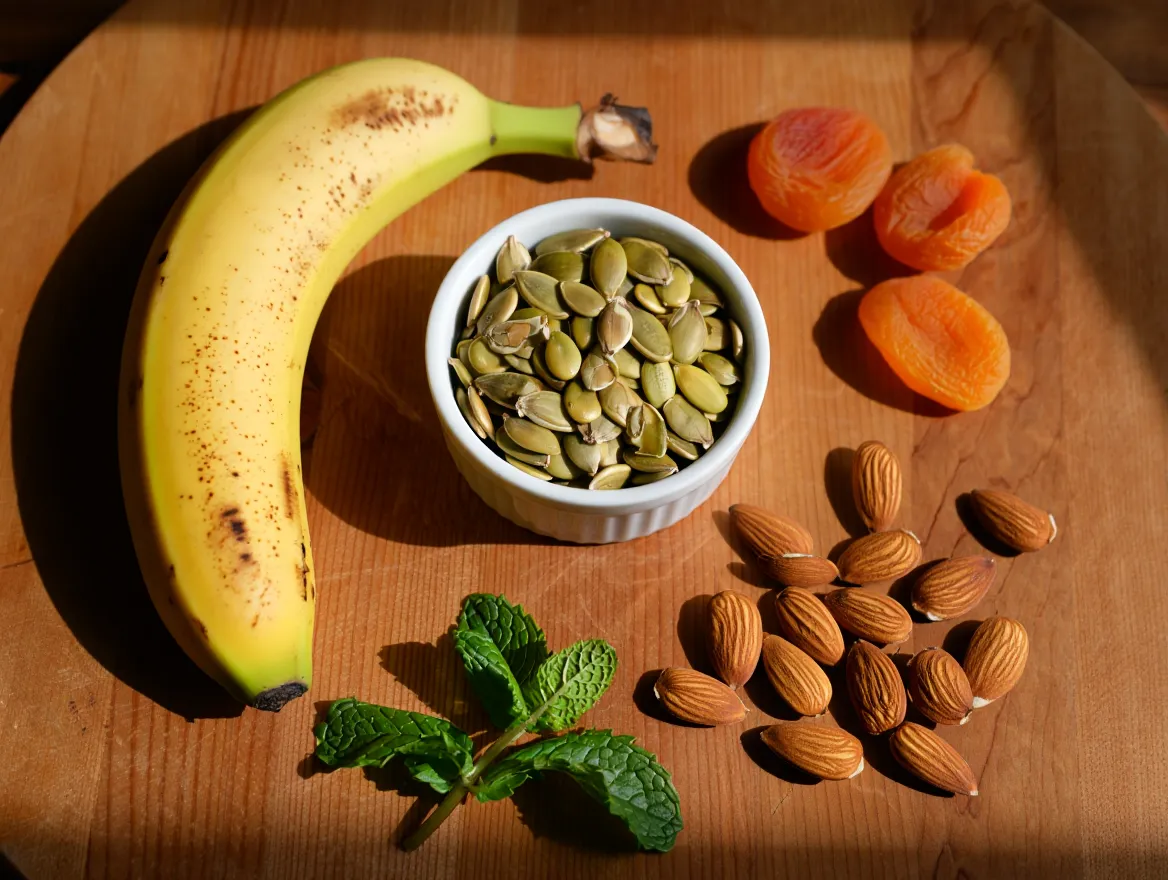
Practical considerations for structuring evening meals and snacks with sleep in mind.
Finishing larger meals a few hours before bedtime allows the digestive process to progress before you lie down.
Including a combination of complex carbohydrates, protein, and healthy fats may support sustained satisfaction and comfort.
Adequate hydration throughout the day is important, while moderating fluid intake close to bedtime may reduce nighttime interruptions.
Caffeine and other stimulants consumed later in the day may take several hours to clear from your system.
A small snack containing tryptophan-rich foods paired with complex carbohydrates is a combination often discussed in nutrition literature.
Some dietary choices in the evening hours may be less supportive of restful sleep.
Caffeine has a half-life of several hours and may affect your ability to fall asleep if consumed too late.
Foods high in refined sugar may contribute to blood glucose fluctuations during the night.
Very large meals close to bedtime may cause discomfort and require more active digestion during rest hours.
A general framework for considering how meal timing might relate to evening restfulness.
Including protein, complex carbohydrates, and healthy fats to start the day with stable energy.
Incorporating leafy greens, lean proteins, and whole grains to support afternoon focus and energy.
Nuts, seeds, or fruit can bridge the gap between lunch and dinner while providing key micronutrients.
A balanced but moderate meal, ideally a few hours before your planned bedtime.
A small portion of sleep-associated foods like tart cherry juice or a handful of almonds, if desired.
These simplified scenarios are for discussion only. They are not testimonials, do not reflect typical results, and are not a substitute for professional advice.
Switching to herbal tea in the evening instead of my usual coffee has become a pleasant part of my nightly routine.
I started paying more attention to when I eat, not just what I eat. Finishing dinner earlier feels more comfortable for me.
Adding a small handful of almonds to my evening routine is something I enjoy. It feels like a calm way to wind down.
Common questions about the relationship between nutrition and sleep.
Have a question or feedback? We welcome your message.
This website provides only general lifestyle information and is not professional or medical advice. Always consult a qualified healthcare provider before making changes to your diet or health routine.